 Featured
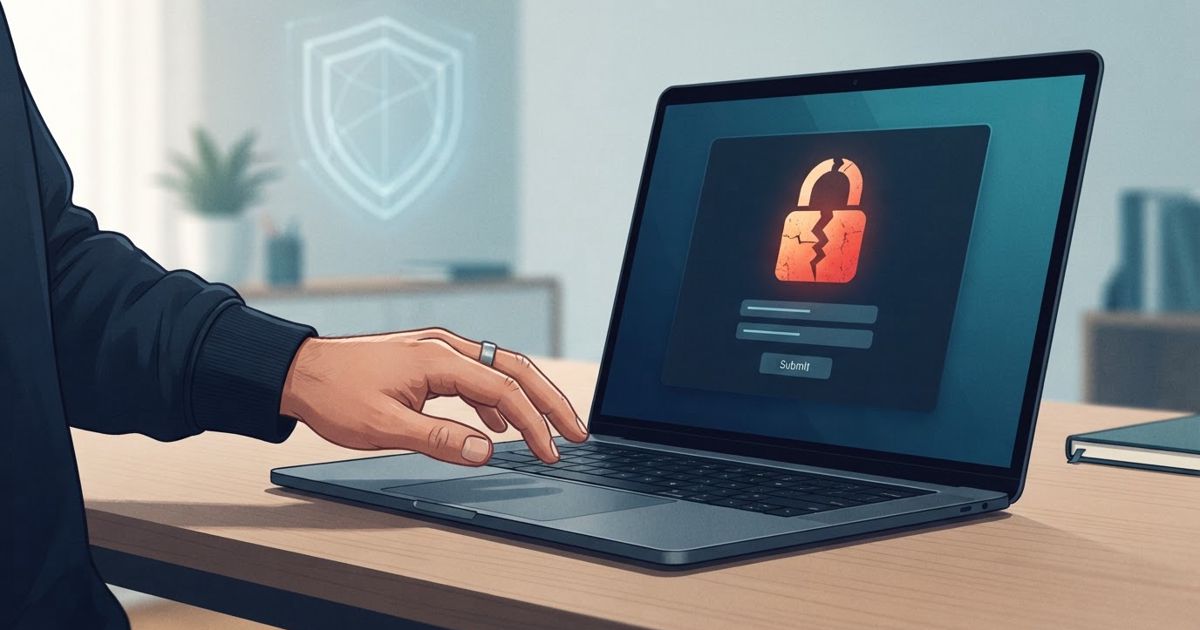
What to Do After You Clicked a Fake Login Page but Caught It Fast
You almost fell for a phishing page and stopped just in time. That quick reaction matters — but a few calm follow-up steps make sure the near miss stays a near miss.
Latest articles
View all →
Secure Messaging Apps: What Beginners Should Look For
Not all messaging apps protect your conversations the same way, and the marketing rarely makes the differences clear. Here is what actually matters when you pick one.
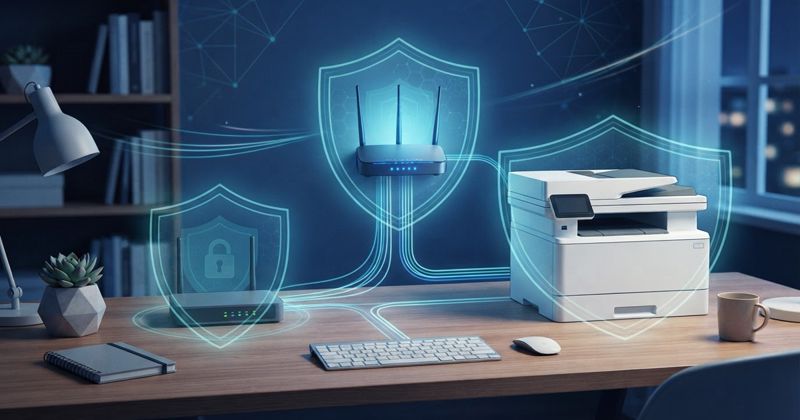
How to Secure Your Printer, Scanner, and Home Office Gear
The printer in the corner is a full computer connected to your network, and most people never change a single setting on it. Here is how to lock down the quiet devices in your home office.

Hardware Security Keys Explained for Normal People
A hardware security key is a small physical device that makes your most important accounts almost impossible to phish. Here is what they are, how they work, and whether you actually need one.

How to Protect Your Kids or Teens Without Micromanaging Every Device
Blanket surveillance rarely keeps kids safer for long — it just teaches them to hide. Here is a calmer, age-appropriate way to reduce real risks while building the judgment your child will actually need.

How to Recognize Fake Tech Support Calls and Scam Pop-Ups
A scary pop-up says your computer is infected and to call a number — or someone phones claiming to be from support. These tech-support scams are pure theatre designed to panic you. Here's how to spot them and shut them down safely.

How to Secure a New Mac on Day One
Macs are secure by design — but only if you switch on the protections and set up your accounts properly from the start. This day-one guide covers updates, FileVault, accounts, backups, and the settings worth checking before you get comfortable.