Scams & Phishing
Scammers no longer give themselves away with broken grammar. AI now writes convincing texts, clones websites and targets people at scale, which means the old advice — "look for typos" — is not enough. This section teaches you to recognise the patterns behind modern phishing and smishing: urgency, a link that doesn't match the sender, a request for a code or payment, and messages that arrive out of the blue.
The guides here are written for everyday users, not security professionals. We use real examples of fake delivery texts, bank alerts and account warnings, give you a short checklist to run before you tap any link, and explain calmly what to do if you have already entered your details — change passwords, enable MFA, contact your bank.
We're also honest about what each tool can and can't do. A VPN protects your connection on untrusted networks, but it won't stop a phishing message — so we tell you where it helps and where you need different protections instead.
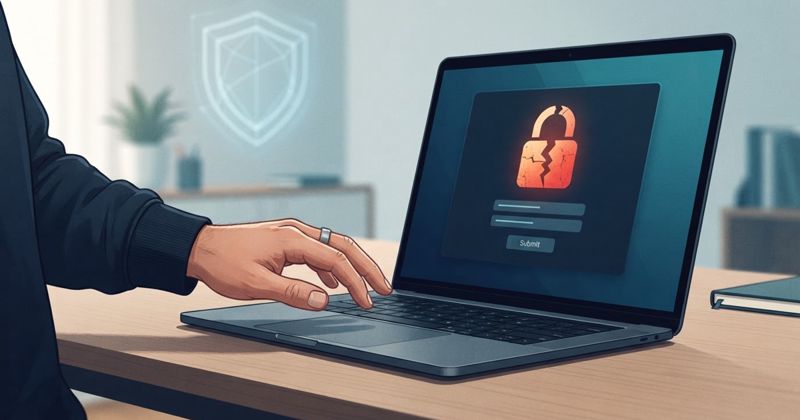
What to Do After You Clicked a Fake Login Page but Caught It Fast
You almost fell for a phishing page and stopped just in time. That quick reaction matters — but a few calm follow-up steps make sure the near miss stays a near miss.
How to Recognize Fake Tech Support Calls and Scam Pop-Ups
A scary pop-up says your computer is infected and to call a number — or someone phones claiming to be from support. These tech-support scams are pure theatre designed to panic you. Here's how to spot them and shut them down safely.
How to Check Whether Your Password Has Been Leaked Without Making Things Worse
Checking whether you are in a leak is smart; using a random password checker is not. Here are the trusted tools, how safe checking works, and what never to type into a website.
F-Secure SMS Scam Protection: how AI blocks smishing on your phone
F-Secure's SMS Scam Protection uses on-device AI to read incoming texts and quietly junk the dangerous ones. Here is how to turn it on, how iOS and Android differ, and what the new Scam Scanner beta adds.
Cybersecurity Emergency Checklist: What to Do After You Clicked a Bad Link
You clicked the link, now what? This calm, ordered emergency checklist covers passwords, MFA, banking, malware scans, and reporting, so you can shut down the damage before it spreads.
How to Check If an Email, Text, or Link Is a Scam
Almost every scam asks you to click, open, or hand over something. Here is a simple red-flag checklist for delivery scams, fake bank alerts, invoices, and urgent login messages.
AI Phishing in 2026: Why Scam Messages Are Getting Harder to Spot
Scam emails and texts no longer give themselves away with bad grammar. Here is what AI actually changed about phishing in 2026, what it did not, and how to keep your guard up.
AI Text Scams: How to Spot Smishing Before You Tap
Scammers now use AI to write flawless texts and clone real websites at scale. Here is how to spot a fake before you tap, and what to do if you already did.