Security Tools & Accounts
VPN, antivirus, password manager, MFA, passkeys — beginners are told to use all of them, but rarely told what each one actually does. This section untangles that. Each tool protects a different part of your digital life, and trouble starts when you expect a VPN to do a password manager's job, or assume an SMS code is as safe as a passkey.
We compare the core tools side by side — what they protect, what they don't, when you need them and what to set up first — so you can build a sensible setup without overspending or developing a false sense of security. Passkeys and phishing-resistant MFA get their own beginner walkthroughs, based on guidance from CISA and NIST.
This is the hub the rest of the site links back to. A VPN is presented for what it is — a privacy and public-Wi-Fi tool — not a cure-all, so you can decide where it belongs in your own security stack.
Secure Messaging Apps: What Beginners Should Look For
Not all messaging apps protect your conversations the same way, and the marketing rarely makes the differences clear. Here is what actually matters when you pick one.
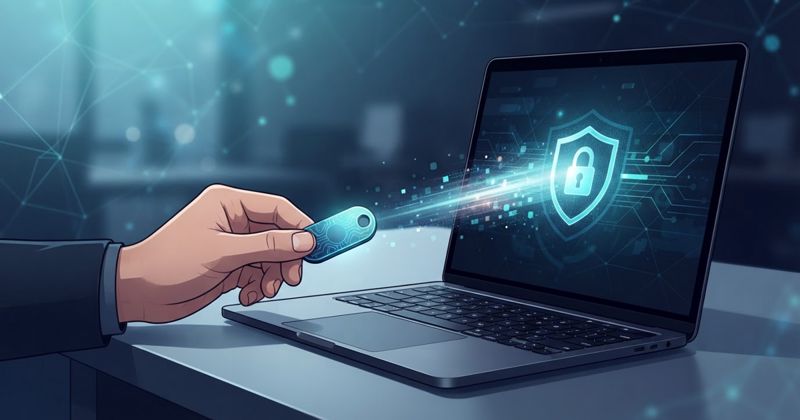
Hardware Security Keys Explained for Normal People
A hardware security key is a small physical device that makes your most important accounts almost impossible to phish. Here is what they are, how they work, and whether you actually need one.

How to Protect Your Kids or Teens Without Micromanaging Every Device
Blanket surveillance rarely keeps kids safer for long — it just teaches them to hide. Here is a calmer, age-appropriate way to reduce real risks while building the judgment your child will actually need.
How to Secure a New Mac on Day One
Macs are secure by design — but only if you switch on the protections and set up your accounts properly from the start. This day-one guide covers updates, FileVault, accounts, backups, and the settings worth checking before you get comfortable.
How to Secure a New Windows PC on Day One
A brand-new Windows PC is a clean slate — the perfect moment to set it up securely before the clutter and shortcuts creep in. This day-one checklist covers updates, accounts, backups, and the built-in protections most people never turn on.

Cloud Sharing Safety: How to Share Files Without Oversharing
Sharing a file from the cloud takes two taps — and it's just as easy to expose far more than you meant to. Here's how link sharing really works, and how to share files safely without leaking your data to strangers or search engines.
How to Secure Your Social Media Accounts Against Takeover
A hijacked social account can lock you out, spam your friends, and drain your reputation. This plain-English guide walks you through the settings that actually stop account takeover — strong sign-in, recovery, and app clean-up — in the order that matters most.
How to Secure Your Banking and Payment Apps
Banking and payment apps put your money one tap away, which is exactly why they deserve extra care. This beginner-friendly guide covers the settings, habits, and warning signs that keep your accounts safe without making everyday payments a chore.
SIM Swap Attacks: What They Are and How to Protect Your Number
A SIM swap lets a scammer take over your phone number and intercept the codes protecting your accounts. This beginner-friendly guide explains how the attack works, the warning signs, and the practical steps that make your number far harder to hijack.
Photo Backup Is a Security Habit — and This Week It's Free (500 GB via pCloud)
Ransomware, stolen phones and dead drives all end the same way: lost photos. pCloud's Photography Day promo gives you 500 GB free for 3 months to fix that.
How to forward your email to a new address (Gmail, Outlook and Yahoo)
Moving to a new email address does not have to happen in one frightening afternoon. Forwarding lets your old inbox keep working while you switch over slowly — and checking your forwarding settings is also one of the quickest ways to spot an intruder in your account.
Browser Security 101: Extensions, Pop-Ups, and Dangerous Permissions
Your browser is where most of your online life happens, which makes it a prime target. This beginner guide explains how to tame extensions, shut down deceptive pop-ups, and understand the permission prompts that decide what a website can do.
How to Lock Down Your Google, Apple, or Microsoft Account
Your platform account ties together your email, photos, files, payments, and devices. This guide shows beginners the exact settings to harden on Google, Apple, and Microsoft so one login cannot be turned against you.
How to Secure Your Email Account Before a Takeover Happens
Your email is the master key to almost everything else you own online. This beginner-friendly guide walks you through the small, one-time steps that make your inbox far harder to hijack — before an attacker ever tries.
pCloud Pass: Is a Password Manager from a Cloud-Storage Company Worth It?
pCloud Pass vs 1Password, Bitwarden and NordPass. Zero-knowledge, yes — but is bundling storage and passwords in one package an advantage?
The First 10 Accounts to Secure After a Data Leak
After a leak, change your passwords in order of leverage. Here are the first ten accounts to secure, from email and your password manager to your domain registrar.

Which Bitdefender Should You Buy? Consumer Plans Compared
Antivirus Plus, Total Security, Premium Security, Ultimate Security, or a Family Plan? A plain-English buyer's guide to what each Bitdefender tier adds — VPN cap vs unlimited, password manager, scam and identity protection — with a comparison table and a clear pick for every setup. Plus the current 50% summer promo.

Bitdefender Total Security Review: Elite Protection, Honest Caveats
Bitdefender Total Security is the company's flagship multi-device suite: top-rated antivirus and ransomware protection, web filtering, parental controls, and a basic VPN. We cover what it does well, the honest caveats — a data-capped VPN, Windows-only extras, upsells — and who it's actually for.
Why MFA Still Matters Even When Your Password Is Already Stolen
If your password is already leaked, MFA is exactly the wall you want standing. Here is why it blocks the attacks that follow a leak, which type is safest, and its one blind spot.
Password Manager vs Reused Passwords: The Simple Fix Most People Avoid
Reusing passwords ties every account to your weakest one. A password manager replaces that risk with one master password and a unique login per site. Here is how to switch.
How pCloud Crypto Works: What Zero-Knowledge Encryption Means in Practice
Most clouds encrypt your files but hold the keys. pCloud Crypto is zero-knowledge — encrypted on your device, only you can read it. Here's the real difference.
Monthly Security Routine: 30 Minutes to Keep Your Digital Life Safer
Security drifts: software ages, breaches pile up, permissions sprawl. This repeatable 30-minute monthly checklist covers updates, backups, passwords, privacy, and account alerts.
10 Cybersecurity Myths Beginners Still Believe
Bad security advice survives because it sounds reasonable. Here are ten persistent myths, from "Macs can't get malware" to "a VPN protects me from everything," and the accurate picture behind each.
Best VPNs for Public Wi-Fi: Beginner-Friendly Features to Look For
A VPN won't stop phishing, but on untrusted Wi-Fi it hides your traffic from the network. Here are the features that actually matter for beginners, ranked by usefulness, with honest expectations.
F-Secure ID Protection: password manager + breach monitoring, explained for beginners
F-Secure ID Protection bundles a cross-device password manager with 24/7 breach monitoring that warns you when your data leaks. Here is exactly what it watches, how the alerts work, and how it differs from a standalone manager.
What Is Multi-Factor Authentication and Which Type Is Safest?
MFA means a stolen password is no longer enough to break in, but not all MFA is equal. Here we compare SMS codes, authenticator apps, hardware keys, and passkeys, ranked from good to best.
Bitdefender Plans Compared: Antivirus Plus vs Total vs Premium vs Ultimate
Bitdefender's consumer tiers come down to devices, VPN, and identity protection. A beginner-friendly comparison of Antivirus Plus, Total Security, Premium Security and Ultimate — and which one to pick.
How to Choose a Password Manager and Clean Up Old Passwords
A password manager turns the impossible task of unique passwords into a one-time setup. Here is how to pick one and methodically clean up reused, weak, and breached logins.
How to Set Up Passkeys on iPhone, Android, Windows, and Mac
Passkeys replace passwords with phishing-resistant logins unlocked by your face or fingerprint. Here is a beginner walkthrough for every platform, plus the recovery step people most often skip.
Bitdefender GravityZone Sale: Up to 60% Off Business Security
Bitdefender is cutting up to 60% off its GravityZone business security line — enterprise-grade endpoint protection, EDR and XDR — from June 19 to August 31, 2026.
Safer Online Spaces During the School Break: A Parental Controls Guide (Qustodio)
School breaks mean more screen time and less supervision. Here's a beginner-friendly guide to parental controls — what they do, what to look for, and how Qustodio's newest features (category blocking, Always Allowed, and new gaming voice-chat monitoring) cover the risks that matter — plus a live 15% discount.
VPN vs Antivirus vs Password Manager: What You Need First
A VPN, antivirus, password manager, MFA and passkeys each protect a different part of your digital life. Here's which one to set up first.
Passkeys Explained: Safer Than Passwords and SMS Codes
The best password is often one you never type. Passkeys cut phishing risk because there's no classic, copyable password to steal.