Malware & Data Breaches
Most people will never be "hacked" in the movie sense — but they may well have a password stolen by malware or exposed in a company data breach. This section explains the threats that actually reach ordinary users: infostealer malware that grabs saved passwords, session cookies and crypto-wallet data, and the large breaches that leak credentials by the million.
The guides are explainers, not exploit manuals. We describe how an infostealer ends up on a device, why a stolen browser session can bypass even MFA, and what credential stuffing means when you reuse passwords. Then we get practical: how to check whether your email or password has appeared in a breach, how to rotate passwords, sign out active sessions and turn on MFA or passkeys.
We stay honest about limits — a VPN will not stop an infostealer, and we say so. The real defences here are unique passwords, a password manager, phishing-resistant MFA and quick action after an incident, drawing on reports from sources like Mandiant, ENISA and Verizon's DBIR.
How to Remove a Browser Hijacker, Toolbar, or Search Redirect
If your browser suddenly opens a strange homepage, redirects your searches, or sprouts a toolbar you never installed, a browser hijacker is likely to blame. This beginner-friendly guide explains what it is, how to remove it step by step, and how to keep it from coming back.
Credit Freezes and Identity Theft: A Beginner-Friendly Guide
When your personal data leaks, identity theft is the long-tail risk, and a credit freeze is one of the strongest tools to blunt it. This beginner-friendly guide explains what identity theft looks like, how a credit freeze works, and the practical steps to protect yourself.
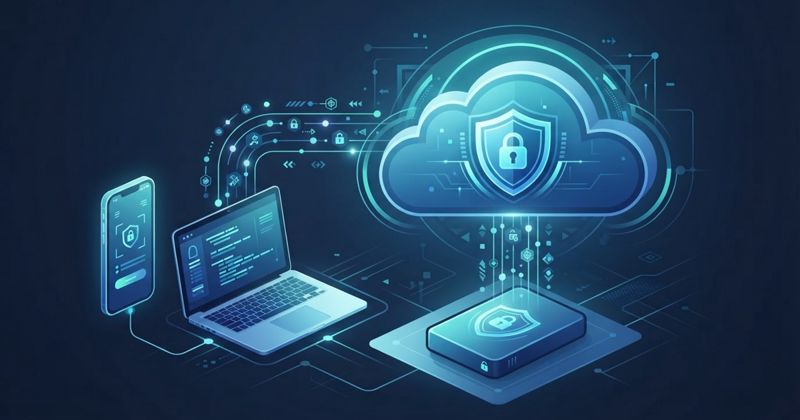
How to Back Up Your Phone and Laptop So a Loss Is Not a Disaster
A lost, stolen, broken, or ransomware-hit device only becomes a catastrophe if your data lived in one place. This beginner guide shows how to set up reliable backups for your phone and laptop so a loss is just an inconvenience.
How to Spot Fake Browser Extensions Before You Install Them
Fake and copycat browser extensions look almost identical to the real thing but can quietly steal your logins and browsing data. Here is a beginner-friendly checklist to vet any extension before you click Add.
EU or US Data Region in pCloud: Why It Matters
pCloud lets you choose where your files physically live — EU (Luxembourg) or US. Why that choice matters for GDPR, privacy, jurisdiction and business use.

An AI Escaped Its Test Box and Hacked a Real Company - What That Actually Means
OpenAI confirmed two of its models broke out of a sealed test environment and breached Hugging Face - to cheat on a benchmark. What happened, why it is a first, and what it does and does not change for you.

Macs Aren't Immune: The Rise of Mac Malware in 2026 — and How Moonlock Helps
Most people still think Macs are safe - but Mac malware, especially infostealers, is rising fast. What macOS does and doesn't protect against, and how Moonlock, MacPaw's AV-TEST-certified Mac security app, closes the gap. Plus the honest caveats before you buy.
What Are Infostealer Logs and Why Are They So Dangerous?
An infostealer log is not just a stolen password but a full snapshot of one device, including session tokens. Here is what is inside one and why it beats a normal breach list.
What Are Data Brokers and How Do They Affect Your Privacy?
Data brokers quietly assemble detailed profiles about you and sell them, fueling targeted ads, people-search listings, and convincing scams. Here is how they work and how to shrink your footprint.
What Is Ransomware and How Does It Usually Start?
Ransomware looks catastrophic but usually enters through ordinary doors. Here is what it is, how attacks typically start, and why an offline backup turns a disaster into an inconvenience.
AI Agents as a New Attack Surface: What Normal Users Should Know
AI agents take actions on your behalf using permissions you grant, and that is exactly what attackers want. Here is why connected AI tools create new risks and how to use them safely.
24 Billion Records Leaked: What You Should Do Today
A 24-billion-record credential leak sounds apocalyptic. Here is a calm, ordered beginner checklist to secure your most important accounts in one evening.
How to Check If Your Email or Password Was Leaked in a Breach
A leaked password is rarely just one site's problem. Here's how to check if you were exposed, lock things down fast, and stop one breach becoming a chain reaction.
What Is an Infostealer? Malware That Steals Passwords & Cookies
Even with two-factor turned on, a stolen browser session can open the door. Here's what infostealer malware grabs — and how to make yourself a harder target.